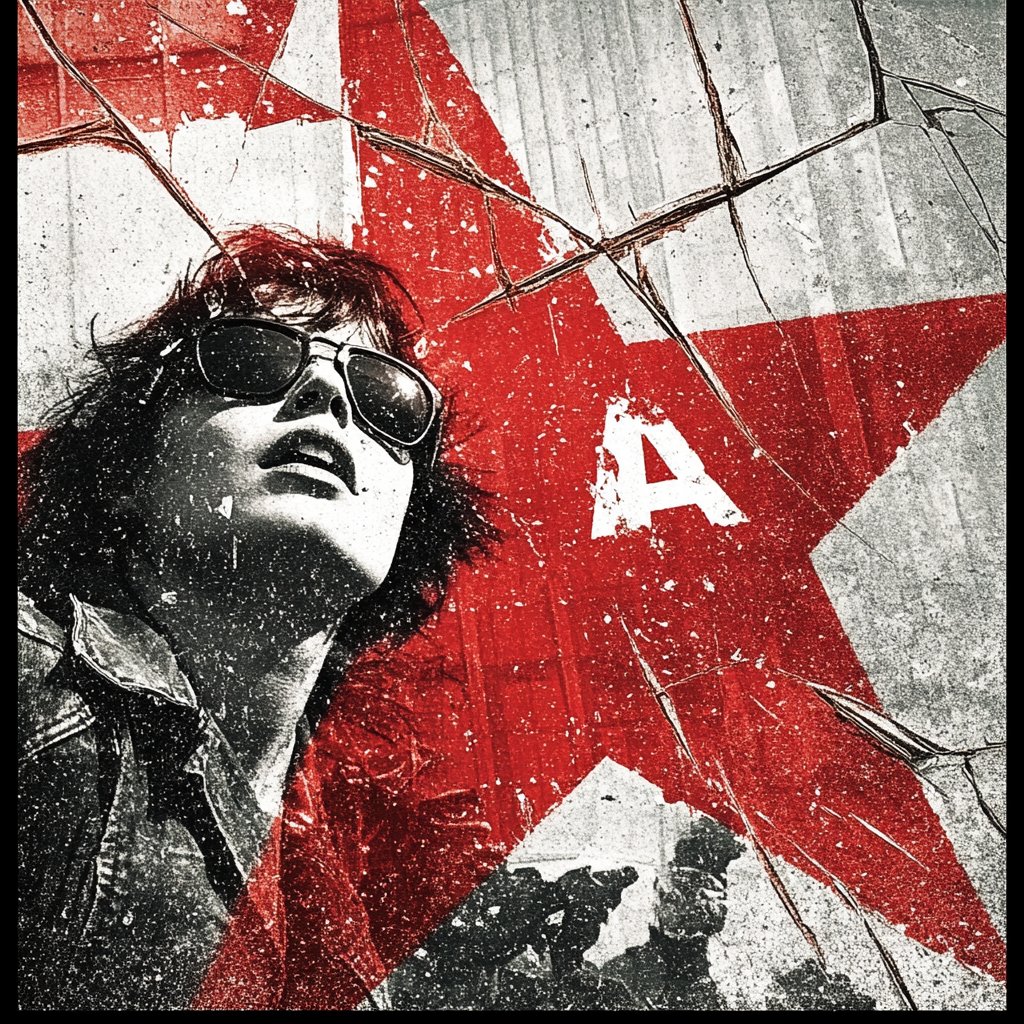
The file opens with a photograph, not a name. This is not an oversight. It is the entire problem.
An open file costs nothing. A wrong name costs credibility. The state has chosen, consistently, to pay the cheaper price.
The Sightings
Eleven photographs, four sectors, no confirmed identity. The subject appears in each at a distance, at an angle, through glass, through smoke, always partially obscured — never enough to identify, always enough to recognize. Field agents describe this as deliberate. The subject's file describes it as coincidence. Both cannot be true. The file does not resolve which one is.
The Aliases
Three separate reports name three separate individuals. A fourth report disputes all three and proposes a fifth name, since retracted. The Archive has elected not to reconcile these. A name assigned with confidence is not more true than a name assigned with uncertainty — it is only more convenient to file.
The Material
Propaganda recovered from four confiscation sites bears no signature, no press mark, no attribution the state considers reliable. Two field reports suggest a connection between the subject and this material. Neither report offers proof. The connection remains noted, not confirmed — which is, in this Archive, its own kind of admission.
The Status
The file remains open. Not because the subject evades capture — subjects are captured — but because closing the file would require the state to admit what it has and has not established, and it has established very little. An open file costs nothing. A wrong name costs credibility. The state has chosen, consistently, to pay the cheaper price.