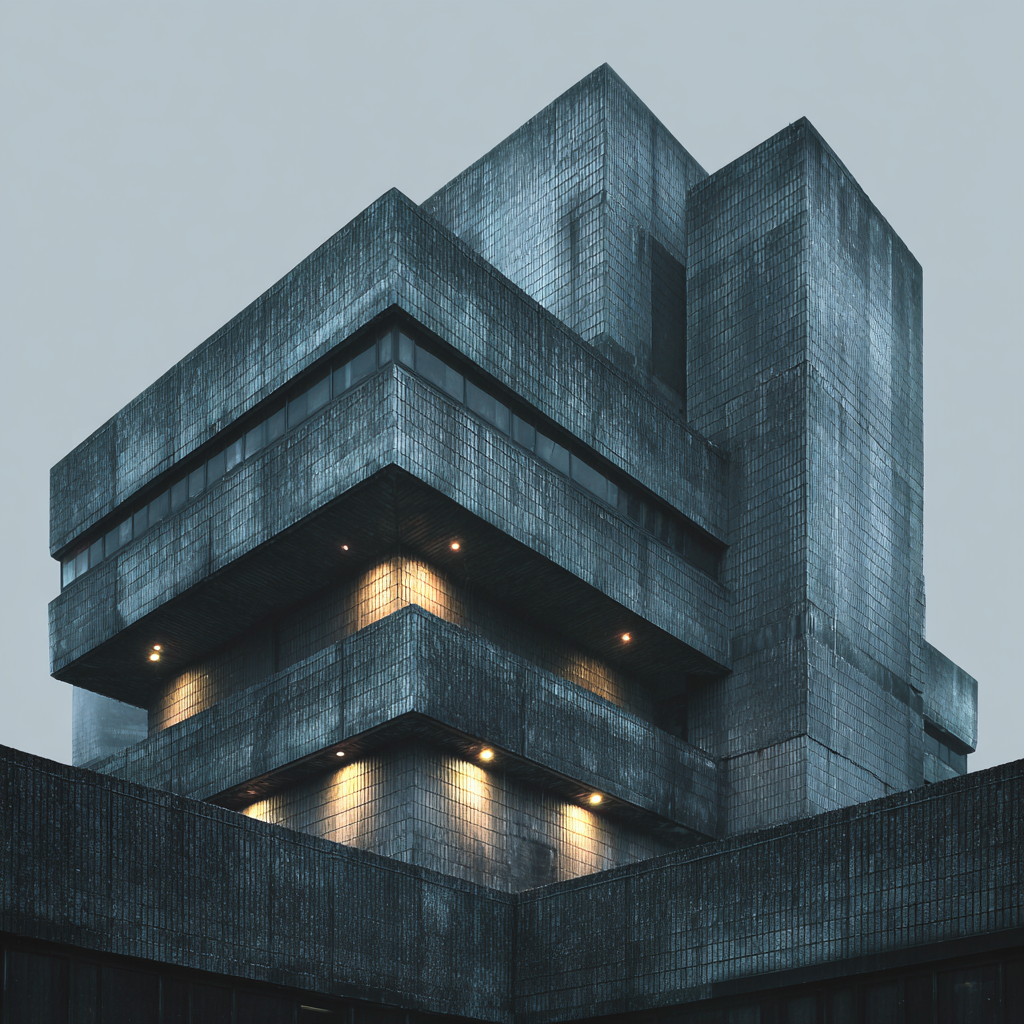
In 1988, the architectural critic Charles Jencks declared Modernism dead. The movement that had promised to solve the human condition through design had produced, in his estimation, housing blocks nobody wanted to live in and civic buildings nobody wanted to enter. The experiment was over.
Brutalism — Modernism's most uncompromising offspring — was supposed to have died first. Raw concrete. Exposed structure. The refusal of ornament. Everything the postwar optimists believed in and everything that the 1980s rejected.
It didn't die. It went underground.
The buildings remained. The belief was gone. Something stranger took its place.
The Postwar Promise
To understand why Brutalism refuses to disappear, you have to understand what it was actually trying to do. The movement emerged from the ruins of the Second World War — literally. Cities across Europe had been reduced to rubble, and the architects who survived faced a question with genuine moral weight: how do you house millions of displaced people, quickly, with dignity?
The answer was concrete. Béton brut — raw concrete, as Le Corbusier called it. Cheap, fast, honest. A material that made no pretensions about what it was. Pour it, shape it, leave it. The building tells you exactly how it was made.
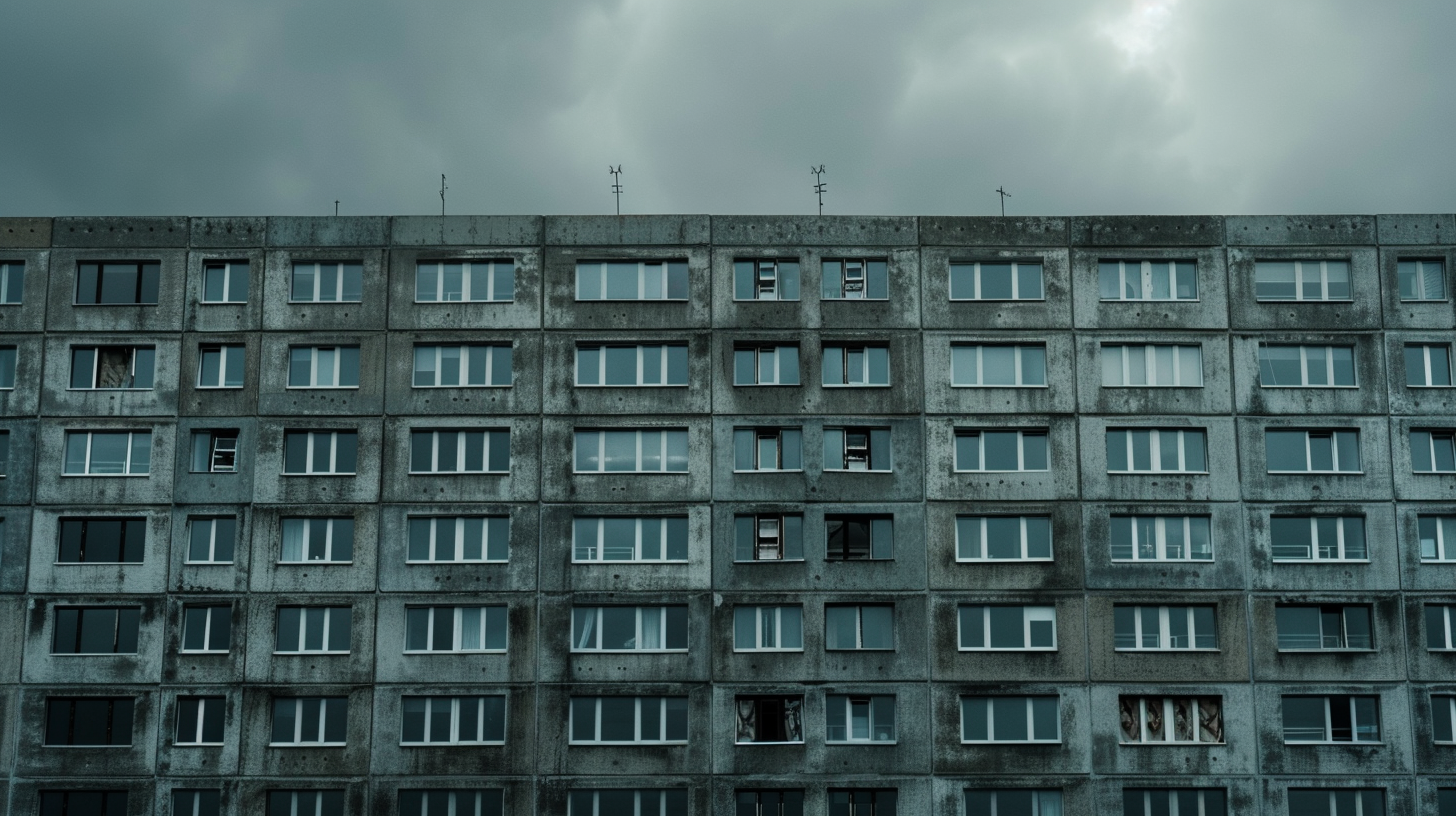
In Britain, this impulse produced Park Hill in Sheffield, the Barbican in London, the Trellick Tower. In France, the grands ensembles. In Eastern Europe and the Soviet Union, the panel-built housing blocks that housed entire populations — the Plattenbau, the Khrushchevka — stretching to the horizon in every direction.
These were not cynical projects. The architects who designed them believed, genuinely, that good design could produce good lives. That light and space and community, delivered through concrete, could undo centuries of poverty and overcrowding. They were wrong about the mechanism. They were not wrong about the ambition.
The Collapse
By the 1970s the promise had curdled. The housing blocks built for dignity had become — through underfunding, mismanagement, and the deliberate neglect of governments that had lost interest in collective solutions — symbols of abandonment. The lifts broke and were not repaired. The communal spaces were not maintained. The social infrastructure that the architecture assumed never arrived.
The buildings were blamed for the failures of policy. This was convenient. It is easier to demolish a building than to confront the political decisions that made it fail.
In Britain, tower blocks were blown up on television to cheering crowds. In America, the Pruitt-Igoe housing project in St. Louis was demolished in 1972 — the same moment Jencks later used to mark the death of Modernism. The concrete came down. The poverty it had been built to address remained.
It is easier to demolish a building than to confront the decisions that made it fail.
The Return
The internet found Brutalism before the architecture world admitted it was back.
Somewhere in the early 2000s, people began photographing these buildings not as monuments to failure but as objects of strange beauty. The weight of them. The honesty of them. The way they aged — not gracefully, but truthfully, every crack and stain a record of time passing.
Tumblr amplified it. Instagram accelerated it. A generation that had grown up in an era of surface and spectacle found something almost shocking in architecture that refused to hide what it was made of.
There was also something political in the rediscovery. To find beauty in social housing — in buildings designed for people who had nothing — was a small act of resistance against an aesthetic culture that had decided the poor were not worth designing for.
What Remains
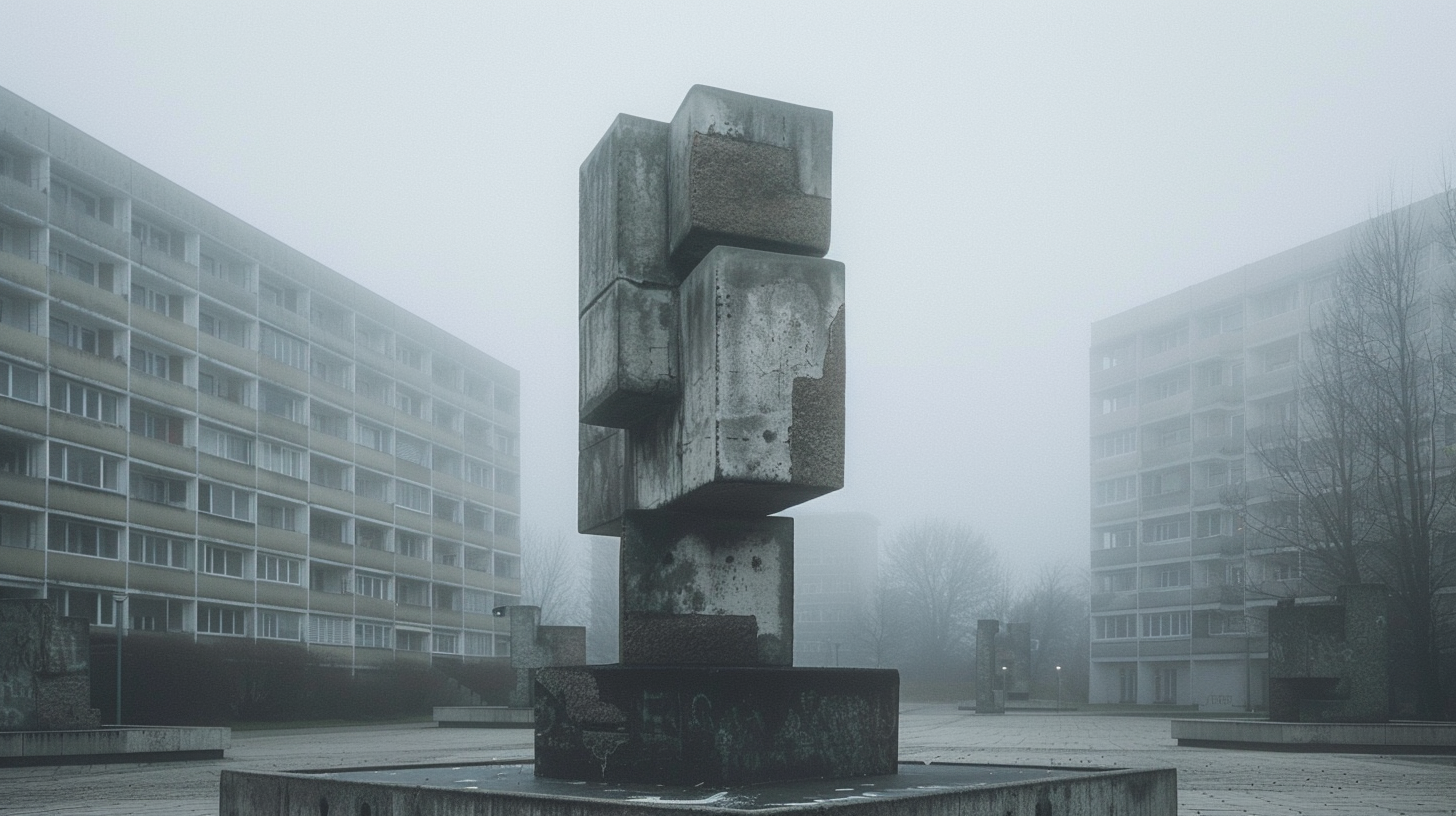
The buildings that survive are not the ones that were best maintained. They are the ones that were too large to demolish cheaply, or too structurally significant to lose, or — increasingly — too loved by the people who had come to see them differently.
The Barbican in London is now one of the most sought-after addresses in the city. Trellick Tower has a waiting list. Park Hill in Sheffield is being refurbished, slowly, controversially, at enormous expense. The buildings that were supposed to represent failure have become objects of desire.
This is not simple nostalgia. It is a recognition that something was understood in those buildings — about honesty, about weight, about the refusal to decorate what doesn't need decoration — that was lost when the concrete came down.
Brutalism never really died. It was buried. And buried things have a way of returning, carrying whatever truths they were interred with.
Buried things have a way of returning, carrying whatever truths they were interred with.
The question now is not whether we find these buildings beautiful. Clearly we do. The question is what we do with that beauty — whether it becomes another aesthetic to consume, or whether it reminds us of what architecture can mean when it refuses to lie.
These are not decorative objects. They never were.